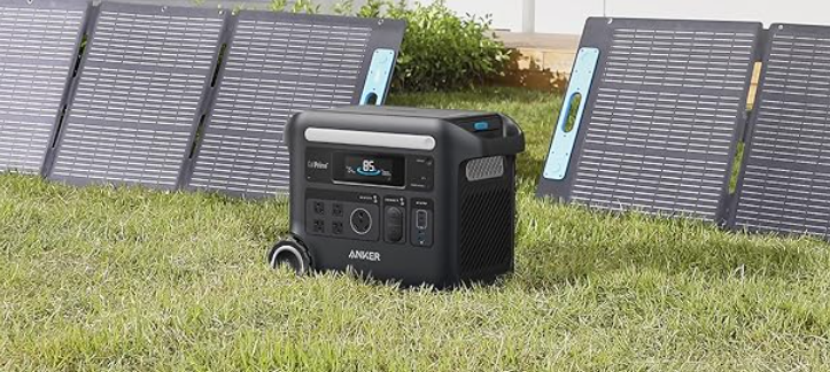
Home solar panels deliver their highest value when homeowners pair them with simple, predictable daily routines. Solar power rewards timing, consistency, and awareness. When families adjust a few habits—such as running appliances earlier in the day or shifting certain tasks toward peak sunlight—they capture more free energy and rely less on the grid. These choices magnify the system’s efficiency without adding complexity to daily life. Portable tools like the Anker SOLIX PS400 Portable Solar Panel reveal this dynamic clearly. By tilting or repositioning it throughout the day, users see how sunlight alignment shapes performance. This same principle applies across a panels solar home system: habits amplify output, and output strengthens the value of those habits.
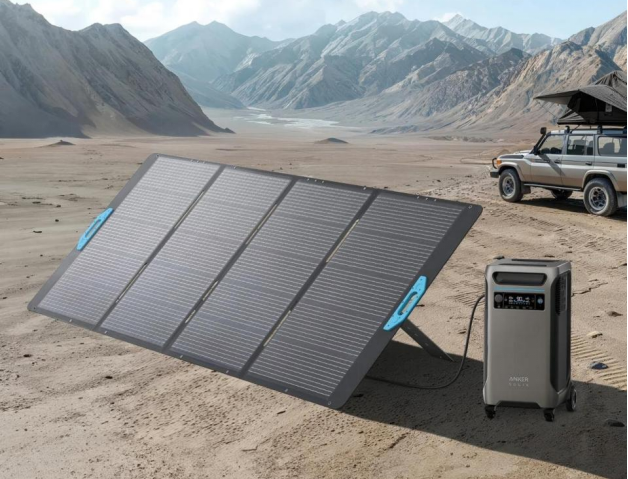
How Everyday Behavior Shapes Solar Performance?
Morning and Midday Usage Make Power Production More Meaningful
Solar production peaks long before most families begin evening activities. When homeowners shift certain tasks—such as laundry, dishwashing, or charging devices—into late morning or early afternoon, they directly convert sunlight into daily function. This lowers utility bills and increases the return on their solar investment. The PS400 helps people visualize this concept: if they place it in bright midday sunlight, charging accelerates, and power output becomes immediately useful. By scheduling tasks during natural solar peaks, households reduce strain on backup systems and keep generation aligned with consumption. This approach does not require major behavioral change; small adjustments compound into long-term energy savings and stronger solar results.
Sunlight Awareness Creates Better Energy Timing
One of the simplest habits that supports solar performance is paying attention to daylight patterns. When homeowners recognize which parts of their property receive the strongest sunlight and when that sunlight shifts, they naturally align their behavior with available power. This awareness is easy to build. Users often gain it when experimenting with the PS400 because they notice how angling the panel toward the sun or moving it out of partial shade affects charging speed. The same principle applies on a larger scale at home. Families learn that mid-afternoon shadows or winter sun angles change output and adjust their usage timing accordingly. Better alignment means more direct solar contribution and less wasted potential.
Habit-Driven Efficiency Reduces Grid Dependence
Everyday routines, even minor ones, influence how much energy a solar-powered household pulls from the grid. Turning off idle electronics, choosing earlier cooking times, or staggering high-demand tasks can significantly reduce peak draw. A solar system rewards steady, moderate use rather than sudden spikes. When families spread tasks into solar-active hours, natural sunlight covers more of their demand. Portable tools like the PS400 reinforce this concept by showing that consistent sunlight exposure yields consistent charging. With rooftop systems, the same idea scales upward: regular habits create smoother energy flow and reduce the household’s reliance on external sources. Behavioral awareness becomes a built-in performance enhancer.
Why Solar Systems Reward Consistency in Daily Routines?
Predictable Patterns Match Predictable Sun Cycles
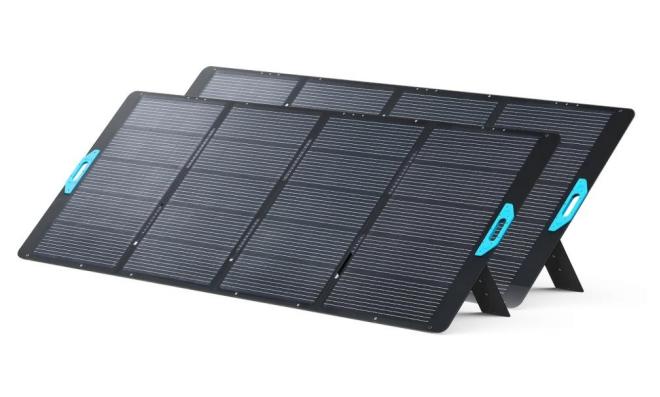
Solar energy follows a daily rhythm. Homes that mirror this rhythm make better use of the power they generate. When families adopt routines that align with the sun—charging gear in the morning, running heat pumps during bright hours, or batching chores around midday—they match natural availability with actual demand. The PS400 demonstrates this clearly in portable form. When placed at its optimal 30°–80° settings during peak light, it produces stronger, more stable power. The same synchronization between routine and sunlight strengthens whole-home systems. Predictability becomes an asset: when daily life flows with solar timing, solar output plays a larger role in powering the home.
Simple Adjustments Reduce Energy Waste
Households often unknowingly waste energy by running appliances at inefficient times or leaving devices plugged in overnight. Solar power does not eliminate waste by itself—habits do. Solar-equipped homes perform best when users adopt simple practices, such as preparing meals earlier, washing clothes during sunlit hours, or unplugging idle electronics. The PS400 reinforces this mindset because it makes energy behavior visible. Users quickly see how shade, orientation, and timing affect output. When these observations translate into household habits, wasted grid power decreases, and solar power becomes the primary source for routine activities. Efficiency improves without complex learning curves or new technology.
Routine Alignment Increases Long-Term Return
When households repeatedly engage in solar-friendly habits, the long-term return on their solar installation grows. Solar panels are designed to generate consistent daily energy, and habits maximize that steady output. The PS400 showcases how thoughtful use—choosing the right angle, placing it in clear sunlight—improves charging performance each day. Over years of rooftop use, these parallel behaviors create measurable financial and environmental gains. Homes rely less on external electricity, benefit from lower bills, and gain stability during variable seasons. When everyday routines merge with solar timing, even small decisions accumulate into meaningful, long-lasting value.
Conclusion
Home solar panels achieve their best performance when paired with everyday habits that align naturally with sunlight. When families shift common tasks into bright hours, they turn solar production into direct daily benefit. Tools like the Anker SOLIX PS400 Portable Solar Panel help homeowners understand this relationship by making the effects of angle, shade, and timing instantly visible. Solar-friendly habits do not require major lifestyle changes; instead, they rely on simple adjustments that match routine actions with natural energy cycles. Over time, this alignment strengthens efficiency, reduces grid reliance, and transforms solar power from a background system into an integrated part of daily living.