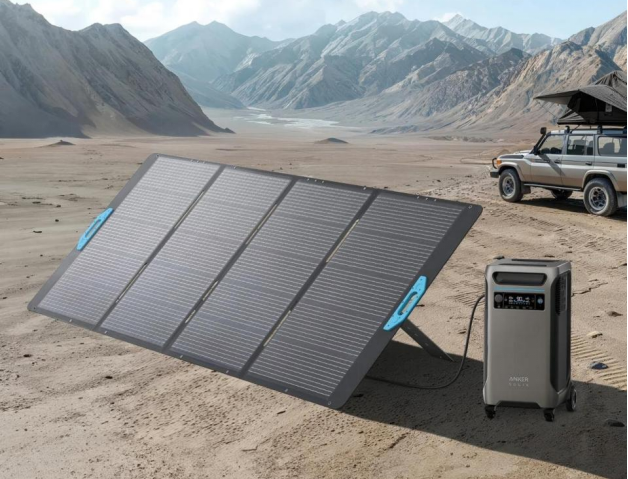
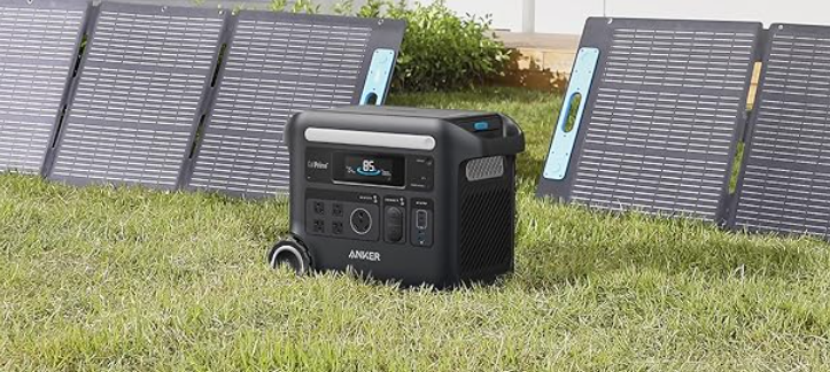
Reliable electricity transforms a simple camping trip into a far more comfortable and flexible outdoor experience. Portable power stations allow essential devices like phones, lights, cooking tools, and small appliances to run even far from traditional outlets. Choosing the right model, however, requires more than just picking the biggest battery available. Factors such as energy demand, output capability, charging flexibility, and durability all play important roles in real-world use. A well-matched unit prevents both power shortages and unnecessary extra weight during travel. In this article, key considerations for selecting a portable power station for camping are explained in clear, everyday terms.
1. Determine Your Power Needs
List the Devices You Plan to Charge
A practical starting point is identifying every device that might need electricity during the trip. Common items include smartphones, cameras, headlamps, portable fridges, electric coolers, drones, and even small coffee makers. Each device has different charging requirements, and some may run for hours rather than minutes. Listing them in advance prevents unpleasant surprises once outdoors. It also helps avoid bringing a power station that is far larger or smaller than necessary. Planning based on real equipment use leads to a more efficient and comfortable camping setup.
Calculate Your Total Daily Power Consumption
After listing devices, estimating daily energy usage becomes much easier. Power consumption is usually measured in watt-hours, which indicates how many watts a device uses over time. For example, a 60-watt cooler running for five hours consumes 300 watt-hours in a day. Adding up the expected usage for each item provides a realistic daily requirement. This total helps determine how long a power station can support the trip without recharging. Thinking in watts units also makes it easier to compare device needs with a power station’s specifications.
2. Compare Battery Capacity and Output
Choose Capacity (Wh) Based on Your Usage
Battery capacity, shown in watt-hours (Wh), represents how much energy a power station can store. A weekend trip with only small electronics may require under 500Wh, while multi-day camping with a cooler and cooking gear can demand well over 1500Wh. Choosing capacity based on calculated daily usage prevents both overpacking and running out of power. Larger capacity means longer runtime, but it also increases size and weight. Balancing storage with portability ensures the station remains practical to transport. A carefully selected capacity provides confidence without unnecessary bulk.
Check AC, DC, and USB Output Ports and Wattage
Output options matter just as much as battery size. Many camping devices use standard AC outlets, while others rely on USB or 12V DC ports. The total wattage a station can deliver at once determines whether multiple items can run together. A unit with high output capacity can power demanding tools like electric grills or kettles alongside smaller electronics. Checking port variety also avoids the need for extra adapters or converters. Paying attention to output design ensures the station supports real camping routines, not just basic charging.
3. Evaluate Charging Options and Speed
Look for Solar Charging Compatibility
Solar charging is especially useful for longer trips away from vehicle access. Compatible power stations can connect to portable solar panels, turning sunlight into a renewable energy source. This setup extends off-grid time without relying solely on stored battery power. Solar input limits and efficiency ratings influence how quickly energy can be replenished. Even partial daytime charging can significantly stretch capacity over several days. Choosing a model with reliable solar support adds flexibility and independence during outdoor adventures.
Consider Fast AC and Car Charging Support
Recharging speed before and during travel is another important factor. Fast AC charging at home allows a power station to reach high capacity in just a few hours before departure. Car charging provides an additional top-up option while driving to campsites or between locations. Some models balance multiple input sources to shorten overall charging time. Faster recharge capability reduces downtime and keeps energy reserves ready for unexpected needs. Efficient charging methods make power planning much less stressful on active trips.
4. Consider Portability and Durability
Check Weight and Carrying Design
Portability directly affects how convenient a power station feels in real outdoor conditions. A compact design with sturdy handles makes transportation between the vehicle, campsite, and tent area easier. Heavier units may offer more capacity but can become difficult to move over uneven ground. Balanced weight distribution improves comfort during short carries. Foldable or integrated handles also save storage space while traveling. Choosing a design suited to personal strength and trip style prevents the station from becoming a burden.
Ensure It’s Rugged and Weather-Resistant
Outdoor environments expose equipment to dust, temperature shifts, and occasional moisture. A durable outer shell helps protect internal components from minor impacts during transport. Ventilation design is also important to prevent overheating when used for long periods. While most power stations are not fully waterproof, resistance to light splashes or damp air adds reliability. Stable construction ensures performance remains consistent over repeated trips. Durability becomes especially valuable for campers who travel frequently or explore rough terrain.
5. Review Extra Features for Outdoor Use
Modern portable power stations often include thoughtful features that improve campsite convenience. Built-in LED lights can double as area lighting after sunset, reducing the need for separate lanterns. Some units provide app connectivity, allowing users to monitor battery levels and output remotely for better energy control. Expandable battery options may also support longer expeditions or emergency backup at home between trips. Models such as the Anker SOLIX F2000 Portable Power Station combine high capacity with smart monitoring and flexible expansion, which can suit both camping and home preparedness needs. Choosing extra features that align with real usage patterns enhances both comfort and safety outdoors.
Conclusion
Selecting the right portable power station for camping involves more than choosing the largest battery available. Careful evaluation of daily energy needs, output capability, charging flexibility, and physical design leads to smarter decisions. A well-matched unit keeps essential devices running while remaining easy to transport and recharge. Extra features can further improve convenience, especially on longer or more remote trips. By understanding key specifications in practical terms, campers can confidently invest in a power solution that supports both adventure and everyday comfort in the outdoors.