Planning the perfect camp setup often means balancing comfort with simplicity, and power needs play a key role. Whether you’re keeping phones charged, running a portable fridge, or powering lights and fans, choosing the right solar panel ensures your trip stays enjoyable and stress-free. With portable solar options growing in popularity among outdoor enthusiasts, it helps to understand how panel size affects performance. The right choice depends on your energy needs, trip length, and how you intend to use your gear.
How to Choose the Right Solar Panel Size for Camping?
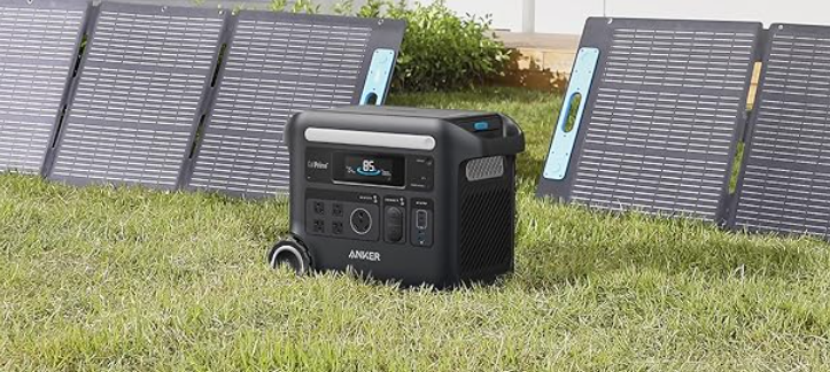
Selecting the right panel solar camping setup means considering what you need to power, how often you’ll use it, and how quickly you need energy replenished. The following points break down what matters most.
Estimate Your Daily Energy Usage
Start by listing the devices you plan to power during your trip and noting their energy consumption in watt-hours (Wh). Small electronics like phones and cameras may only require 5–15 Wh per charge, while larger devices like power stations or portable fridges can demand hundreds of watt-hours daily. Adding these up gives you a rough estimate of your daily energy needs. For example, if your devices total around 200–300 Wh per day, a medium-sized panel system should be sufficient.
Match Panel Capacity to Energy Needs
Once you know how much energy you need, choose a solar panel with a wattage that can generate that energy in a typical day of sunlight. A good rule of thumb is to have a panel that produces at least 1.5–2 times your daily consumption in peak sunlight hours. For short trips or light usage, a 30W–100W camping solar panel like the Anker SOLIX PS30 or PS100 may be ideal. For more demanding setups, such as powering a fridge and charging power stations, 100W to 200W or more is a better fit.
Consider Sunlight Availability and Trip Duration
Solar panel output depends heavily on sunlight conditions. If your camp location gets long sunny days, a smaller panel may suffice. In areas with frequent shade, cloud cover, or shorter daylight hours, a larger panel output ensures you still generate enough energy. For extended trips, having a larger panel array or multiple panels helps keep your power station topped up more consistently.
Balance Portability and Power Output
Bigger panels generate more energy but also add weight and bulk to your pack. If you’re backpacking or moving frequently, you may prefer lighter panels with moderate output. Foldable, lightweight options like the Anker SOLIX series strike a balance between portability and performance, making them ideal for hikers and campers alike.
Look for Adjustable Setups and Mounts
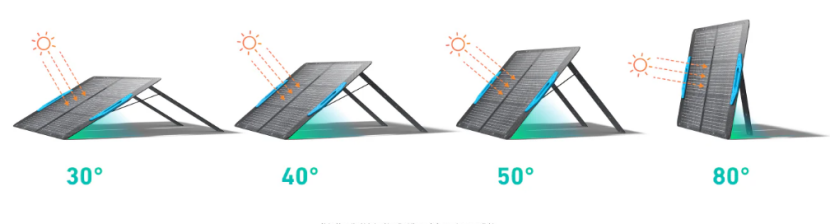
The ability to tilt or adjust solar panels toward the sun increases efficiency throughout the day. Models with built-in stands or adjustable frames let you optimize positioning, capturing more sunlight even when conditions are less than perfect. This can make a modest-sized panel perform more effectively, reducing the need for oversized gear.
Pair Panels with the Right Power Station
Solar panels don’t work in isolation; pairing them with a compatible portable power station is essential. Make sure your chosen panel’s output matches the input specifications of your power station. Efficient connections help ensure the energy you generate is stored effectively, reducing losses and improving overall performance.
Plan for Expansion If Needed
If you think your camping needs may grow, such as adding a mini-fridge or more devices, consider a modular setup. Some solar panels allow you to connect multiple units in parallel, increasing output without replacing your entire system. Expandable configurations give you flexibility for future trips.
Conclusion
Choosing the right size solar panel for your camp setup means understanding your energy needs, knowing how much sunlight is available, and balancing portability with power output. By estimating daily consumption, matching panel capacity, and considering ease of use, you can pick a setup that keeps your gear running without extra hassle. Whether you opt for a compact panel like the Anker SOLIX PS30 for light use or a more powerful system for extended trips, the right solar panel enhances your outdoor experience with reliable, renewable energy.