Modern travel depends heavily on charged electronic devices. Phones store boarding passes, maps guide unfamiliar streets, and cameras capture important memories. Running out of battery can quickly turn a smooth trip into a stressful situation. Fortunately, several practical tools make it possible to keep devices powered almost anywhere. From portable batteries to solar chargers and smart charging habits, travelers have more options than ever before. In this article, reliable and realistic ways to charge devices while traveling are explained in a clear and practical manner.
1. Carry a Reliable Power Bank
Choose high capacity for multiple charges
A high-capacity power bank can recharge a smartphone several times before it needs to be refilled. This is especially helpful during long flights, train rides, or days spent sightseeing. Capacity is usually measured in milliamp-hours, and higher numbers generally mean more stored energy. Travelers using multiple devices such as phones, earbuds, and smartwatches benefit from extra reserve power. A larger battery also provides peace of mind when outlets are hard to find. Choosing the right capacity reduces the risk of running out of power at an inconvenient moment.
Pick one with fast charging and multiple ports
Fast-charging technology allows devices to regain battery life more quickly during short breaks. Multiple output ports make it possible to charge more than one device at the same time. This is useful for couples, families, or anyone carrying several gadgets. Modern power banks often include both USB-A and USB-C connections for broader compatibility. Built-in safety features help protect devices from overheating or overcharging. These features make a power bank a dependable daily travel companion.
2. Use Portable Solar Chargers
Foldable panels work in sunny outdoor spots
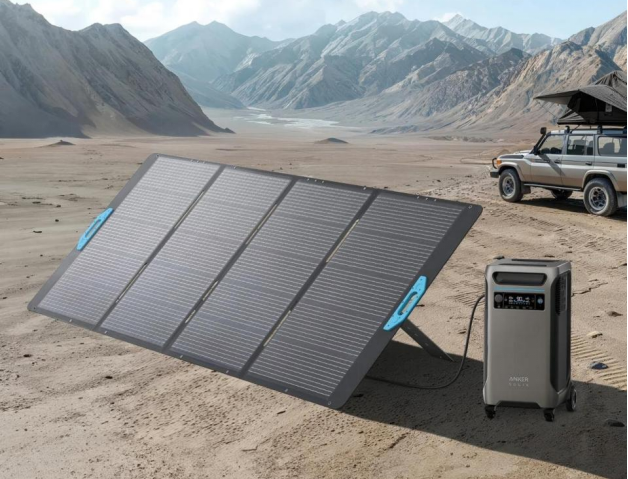
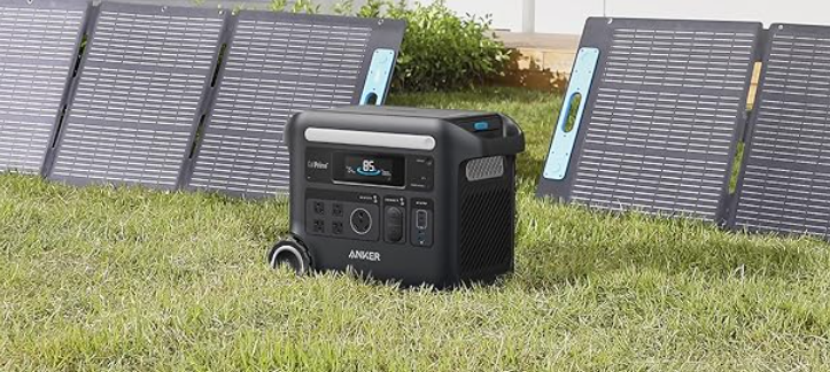
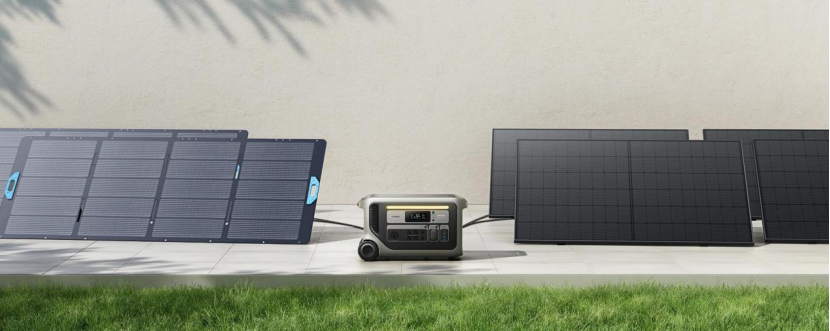
Foldable solar panels are designed for travelers who spend time outdoors away from traditional outlets. Once unfolded and placed in direct sunlight, they can gradually recharge a connected battery pack during the day. Many travelers pair these panels with a compact solar power bank to store collected energy for later use in the evening. Durable power systems built for repeated outdoor use—like those in the Anker SOLIX solar power bank series—offer a reliable balance of portability and energy storage. This kind of setup works well on camping trips, beach days, or long hikes under clear skies. By turning sunny rest stops into charging opportunities, foldable panels add a flexible energy source to any travel kit.

Good backup for hiking or remote travel
In remote areas, electrical outlets may be unavailable for days at a time. Solar chargers provide an independent way to gather energy without relying on fuel or infrastructure. While charging speeds are slower than wall outlets, steady sunlight over several hours can make a meaningful difference. These systems are best used to maintain battery levels rather than fully recharge large devices quickly. Lightweight designs make them easier to carry in backpacks. As a backup solution, they add an extra layer of reliability during outdoor adventures.
3. Pack a Universal Adapter
Works with different country outlets
Electrical outlets vary widely between countries, which can make direct charging difficult without the right adapter. A universal travel adapter allows devices to plug into many outlet types around the world. This eliminates the need to carry multiple single-country adapters. Compact designs fit easily into carry-on luggage. Having the correct plug ensures devices can be charged wherever wall power is available. This simple tool prevents unnecessary frustration during international travel.
Look for built-in USB ports
Some universal adapters include built-in USB ports for direct device charging. This reduces the number of separate chargers travelers need to pack. Multiple USB outputs make it easier to charge several devices overnight in a hotel room. Built-in surge protection can also help safeguard electronics. Combining adapter and charger functions saves space and simplifies packing. These small conveniences make a noticeable difference during busy travel days.
4. Find Public Charging Safely
Use your own cable and a data blocker
Public charging stations are convenient but can carry security risks. Using a personal charging cable instead of a public one reduces potential exposure. A small USB data blocker can further protect devices by allowing power transfer without data access. These inexpensive tools add an extra layer of digital safety. They are especially useful in airports, transit hubs, and busy public areas. Taking simple precautions helps keep devices both powered and secure.
Charge at cafes, airports, or transit hubs
Many public places offer accessible outlets for customer use. Cafes, waiting areas, and airport lounges are common charging spots. Carrying a compact wall charger makes it easier to take advantage of these opportunities. Short charging sessions during meals or layovers can significantly extend battery life. Being aware of surroundings helps keep devices safe while charging. Strategic use of public outlets reduces dependence on a single power source.
5. Extend Your Battery Life
Turn on power-saving mode
Most smartphones include a power-saving mode that reduces background activity. Activating this feature can noticeably slow battery drain. It often limits visual effects and pauses nonessential updates. This helps devices last longer between charges. Power-saving settings are especially helpful during long travel days. Small adjustments can add hours of extra use.
Lower screen brightness and close unused apps
Screen brightness is one of the biggest drains on mobile battery life. Lowering brightness to a comfortable but efficient level extends usage time. Closing unused apps also prevents unnecessary background processing. Turning off features like Bluetooth or Wi-Fi when not needed further conserves power. These habits are simple but effective during travel. Efficient device use reduces the urgency of finding a charger.
Conclusion
Travelers today have many practical ways to keep devices powered beyond the reach of home outlets. Portable power banks provide reliable stored energy, while solar chargers add flexibility in sunny outdoor environments. Universal adapters ensure compatibility with international outlets, and public charging can help in busy locations when used safely. Simple battery-saving habits extend device life between charges. Combining these strategies creates a dependable approach to staying connected on the road. With the right tools and preparation, running out of battery while traveling becomes far less likely.