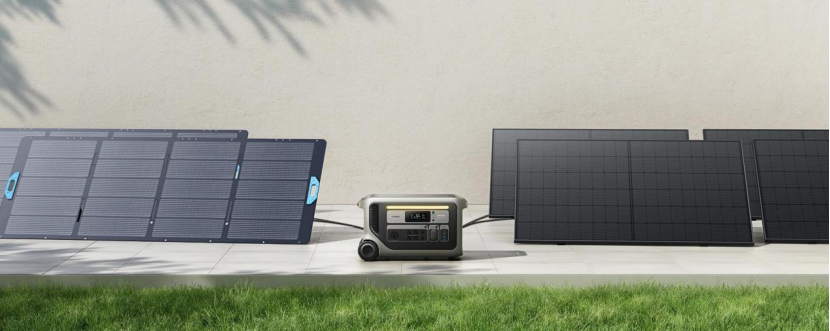
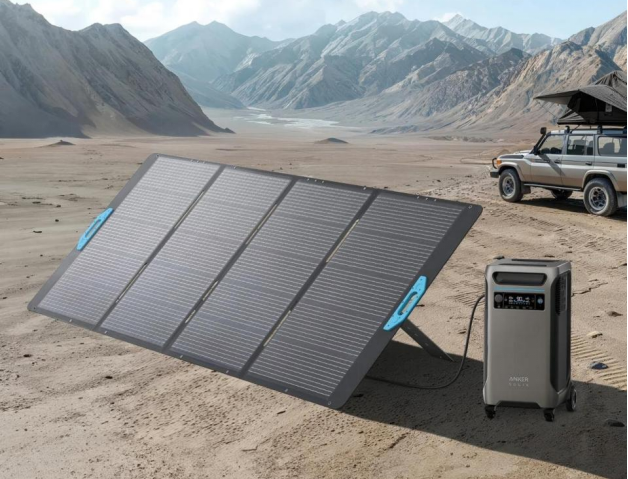
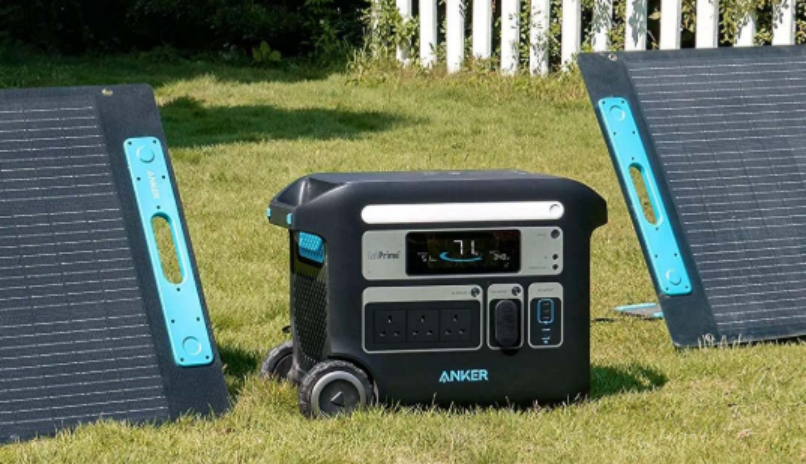
A power station performs best when its charging habits match the engineering behind the battery, circuitry, and thermal controls. Many users unintentionally shorten their device’s lifespan by charging under poor conditions, ignoring temperature limits, or using unstable power sources. These mistakes compound over months of use and gradually reduce total capacity, efficiency, and long-term reliability. A well-built system, such as the Anker SOLIX F2600 Portable Power Station—featuring an LFP battery, 2400W continuous output, high-speed HyperFlash™ AC input, and solar charging capability—helps minimize common issues, but user behavior still plays a significant role. Understanding the behaviors that silently damage power stations allows owners to protect performance for thousands of cycles.
Charging Habits That Quietly Harm Power Stations Over Time
Allowing Excessive Heat During Charging
Heat is one of the most damaging variables for any battery-powered device. Charging a power station in direct sun, inside a hot vehicle, or near a heat source increases internal resistance and accelerates chemical wear. Even durable LFP batteries lose longevity when exposed to prolonged high temperatures. Heat also forces many units to throttle charging speeds, causing longer cycles and unnecessary strain. The Anker SOLIX F2600 mitigates this through advanced temperature monitoring, checking thermal conditions up to 100 times per second for safe adjustments. Still, users must place the station in cool, shaded, ventilated areas during charging. Consistently reducing heat exposure preserves battery integrity, maintains faster charging capability, and keeps long-term capacity closer to original levels.
Using Unstable or Low-Quality Power Sources
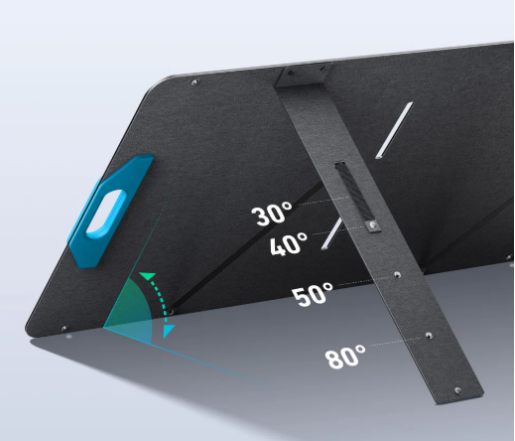
Charging from inconsistent outlets, damaged extension cords, or unreliable generators exposes internal components to voltage drops and irregular current. This instability forces converters and BMS systems to compensate continuously, adding wear to the circuitry and reducing expected lifespan. Quality AC input matters, especially for high-speed charging systems like HyperFlash™. When paired with a stable power source, the F2600 recharges efficiently and safely. Users who rely on stable AC output see smoother charging cycles and less long-term stress on the unit. Even when using solar power, proper panel placement, clean connectors, and matching wattage prevent unnecessary load on the charging circuitry. Stable input equals stable performance across years of use.
Frequently Charging to 100% and Leaving It There
Many users assume full charge equals peak preparedness, but storing a power station at 100% for long periods increases chemical strain inside the battery. While fast recharging is convenient, leaving the station fully topped off repeatedly accelerates mild degradation over time. A healthier long-term habit involves charging near full capacity only when needed, especially before trips or expected outages. Smart systems like the F2600 allow users to monitor charge levels through a remote WiFi/Bluetooth app, making it easier to avoid unnecessary overcharging. Although modern LFP designs tolerate full charges better than older chemistries, avoiding prolonged storage at maximum capacity helps preserve long-term battery health and maintain consistent output across hundreds of cycles.
User Behaviors That Create Wear Beyond the Charging Cycle
Ignoring Environmental Conditions During Everyday Use
Environmental stress doesn’t only occur during charging. Operating the power station in extreme cold, high humidity, or dusty outdoor conditions—without airflow or protection—creates strain that indirectly shortens lifespan. Cold conditions slow lithium reactions and reduce immediate charging efficiency, while high heat increases resistance during discharge. The SOLIX F2600’s rugged structure withstands outdoor conditions better than typical units, but users should still shelter the station when possible. Good airflow, stable temperatures, and clean positioning ensure that internal components operate efficiently. Over months of use, these simple habits reduce cumulative stress and delay natural wear.
Overloading the Output Ports Too Frequently
Power stations include multiple ports and high-output capabilities, but frequent overloading—running devices that push the upper wattage limits repeatedly—forces the inverter and thermal system to work harder than necessary. Over time, this workload increases wear on internal electronics. The F2600 portable power station offers 2400W continuous output and 2800W surge performance, supporting demanding appliances with ease, but users still benefit from mindful load management. Running several high-draw devices simultaneously tests limits unnecessarily when tasks could be scheduled separately. Balanced power distribution not only prevents overheating but also reduces the internal cycling stress that affects battery durability. Knowing how much power each device consumes and planning usage wisely keeps systems healthier.
Allowing the Battery to Hit Near-Zero Too Often
Deep discharges strain lithium batteries and increase the number of cycles needed to maintain usable capacity. Although modern LFP batteries handle deep discharge better than older chemistries, repeatedly draining to extremely low levels reduces overall lifespan. Users who recharge at moderate intervals preserve healthier long-term performance. The F2600’s large 2,560Wh capacity provides enough buffer to avoid these deep drains in everyday use. Monitoring battery levels through the mobile app helps users recharge before the station enters low-capacity protection modes. Consistent mid-range operation—rather than dramatic low-to-high swings—keeps chemical wear minimal and extends the usable life of the unit.
Conclusion
Power stations last longer when charging habits and everyday behaviors support the internal battery and circuitry. Excess heat, unstable power sources, deep discharges, and prolonged full-charge storage all reduce battery lifespan. Overloading ports or ignoring environmental conditions creates additional strain that accumulates slowly but significantly. A durable model such as the Anker SOLIX F2600 Portable Power Station includes advanced temperature monitoring, fast HyperFlash™ AC charging, high solar input capability, and robust LFP battery chemistry to reduce many risks. Still, user habits remain the strongest predictor of long-term performance. By developing careful charging routines and protecting the unit from damaging conditions, owners maintain better capacity, faster charging, and more reliable operation across years of use.