Electricity interruptions are becoming more frequent, even in older homes with simple wiring. Unexpected outages can leave families without lights, refrigeration, or internet connectivity for hours. For many, adding backup power feels complicated, costly, and potentially dangerous. However, with modern tools, even an older house can enjoy reliable electricity without a full electrical overhaul. Understanding the options and how to integrate them safely makes a huge difference. In this article, practical strategies to add backup power to older homes are explained, including portable solutions and solar-powered options.
1. Option 1: Portable Power Station + Extension Cords
Connect critical devices safely
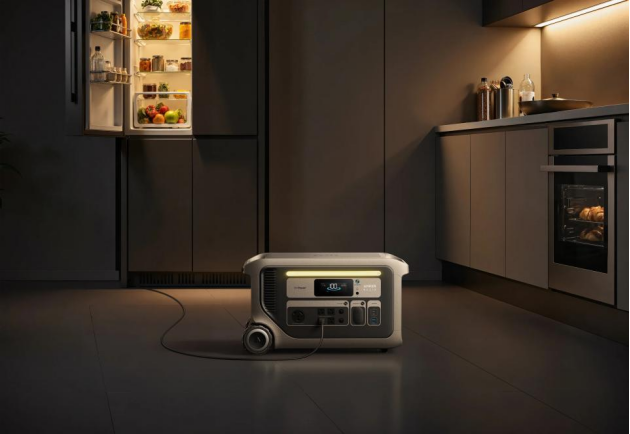
Portable power stations provide immediate electricity for essential appliances without rewiring the house. By using heavy-duty extension cords, it is possible to run a fridge, lamps, or routers directly from the station. It is important to calculate the total wattage to avoid overloading the portable unit or the cords. Extension cords should be rated for outdoor use and have surge protection where possible. Positioning the power station in a dry, ventilated area helps maintain its efficiency and safety. Even with basic connections, this setup offers temporary relief during short outages.
Rotate devices to avoid overload
Power stations have limited output, so rotating devices ensures essential systems stay operational. For example, the fridge and a few lights can run simultaneously, while less critical devices wait until needed. Monitoring the station’s display helps prevent sudden shutdowns. Keeping a small notebook of device wattages simplifies rotation decisions. This method works best for outages lasting a few hours. With careful planning, it allows critical electronics to function without complex installation.
2. Option 2: Solar Generator for Daily and Emergency Use
Keep it charged year-round for instant backup
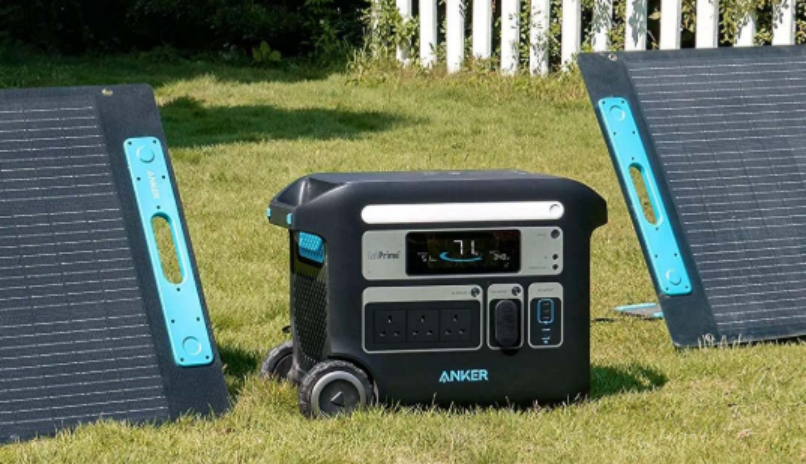
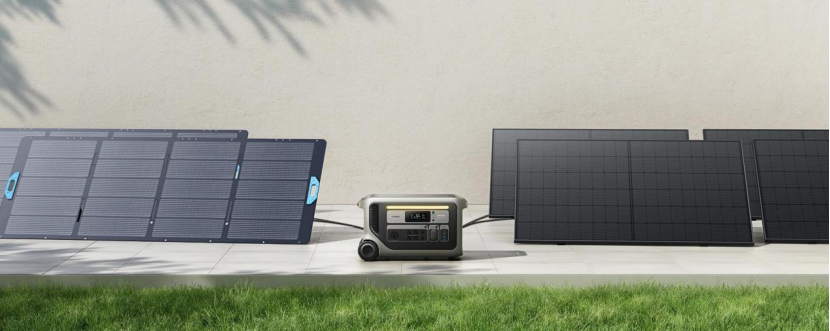
A solar generator for home combines solar panels and a portable power station to store energy for both daily use and emergencies. Models like the Anker SOLIX solar generator can provide sufficient power for lights, refrigeration, and Wi-Fi without fuel. Keeping it charged with sunlight ensures it is ready whenever the grid fails. Its portability allows placement near windows, in yards, or on patios, making it versatile for older homes without roof-mounted systems. Smart controls enable monitoring power usage and managing devices efficiently. This solution eliminates dependence on gas and reduces long-term energy costs.

Reduce reliance on traditional fuel
Solar generators remove the need for gasoline, making them safer and cleaner for indoor or nearby storage. The unit’s quiet operation avoids disturbing household activities. Even small outages can be bridged without worrying about fumes or engine noise. Combining solar input with the stored battery allows continuous operation during cloudy days or multi-day outages. For families with medical equipment or home offices, this ensures uninterrupted service. Using renewable energy daily also reduces overall utility bills and contributes to a greener home.
3. Option 3: Manual Transfer Switch (Minimal Electrician Help)
Connect selected circuits to a power inlet
A manual transfer switch allows older homes to receive backup power without rewiring the entire house. It is installed on specific circuits, usually for critical systems like the fridge, furnace, and lighting. During an outage, the switch connects the selected circuits to a generator or power station safely. This avoids the dangers of backfeeding through standard outlets. Proper installation usually requires minimal electrician involvement but provides a significant safety improvement. Once installed, it offers a repeatable and reliable method for emergency power.
Limit what is powered to prevent overload
The transfer switch can only handle a set amount of wattage, so careful planning of which circuits are connected is essential. Overloading the switch can damage both the generator and household wiring. Mapping the house circuits beforehand helps identify high-priority appliances. Using energy-efficient devices reduces the load and maximizes runtime. Many homeowners combine this setup with a portable power station for added flexibility. This strategy provides a safe balance between convenience and electrical safety.
4. What to Avoid in Old Houses
Backfeeding through dryer or stove outlets
Improperly connecting a generator through dryer or stove outlets is extremely dangerous. It can send electricity back into the grid, posing severe risks to utility workers and family members. Extension cords and inappropriate adapters increase the likelihood of fire and electrical damage. Only dedicated power inlets or transfer switches should be used. Following manufacturer instructions for generators and portable power stations prevents accidents. Awareness of these risks ensures that backup power remains helpful rather than hazardous.
Overloading antique wiring systems
Old wiring is often unable to handle modern power loads safely. Overloading can trip breakers, damage appliances, or start fires. It is important to calculate total wattage and distribute it carefully. Power-hungry devices like space heaters or ovens should be limited when using portable power solutions. Keeping circuits separated and labeled enhances safety and simplifies troubleshooting. Protecting the home’s electrical integrity is a critical part of any backup power plan.
5. The Easiest Path: Start Small, Expand Later
Begin with a power station for critical loads
Starting with a portable power station for essential appliances is the simplest method. It allows immediate backup for lights, phones, Wi-Fi, and refrigeration without major electrical work. Over time, homeowners can expand capacity with solar panels or transfer switches. This incremental approach is manageable, safe, and budget-friendly. Portable units can also be moved or stored when not in use. Starting small builds confidence and ensures the home is protected in emergencies.
Add solar panels or a transfer switch over time
As needs grow, solar panels can feed a portable solar power generator for longer runtime and energy independence. The system remains modular, allowing installation when budget and space allow. A transfer switch can later be added for automated safety and convenience. Combining both solutions creates a resilient backup network. Families gain flexibility for both short-term outages and extended emergencies. Gradual expansion ensures that even an older home can achieve modern backup capabilities without overwhelming complexity.
Conclusion
Older homes do not need complicated rewiring to enjoy reliable backup power. Portable power stations and solar generators offer immediate and clean solutions for essential appliances. Manual transfer switches further enhance safety while keeping installations simple. Avoiding unsafe connections and respecting wiring limits protects both residents and property. Starting small with a single portable unit and expanding with solar and circuit protection provides an effective, flexible strategy. With careful planning, even the oldest houses can handle power interruptions with minimal stress and maximum reliability.